
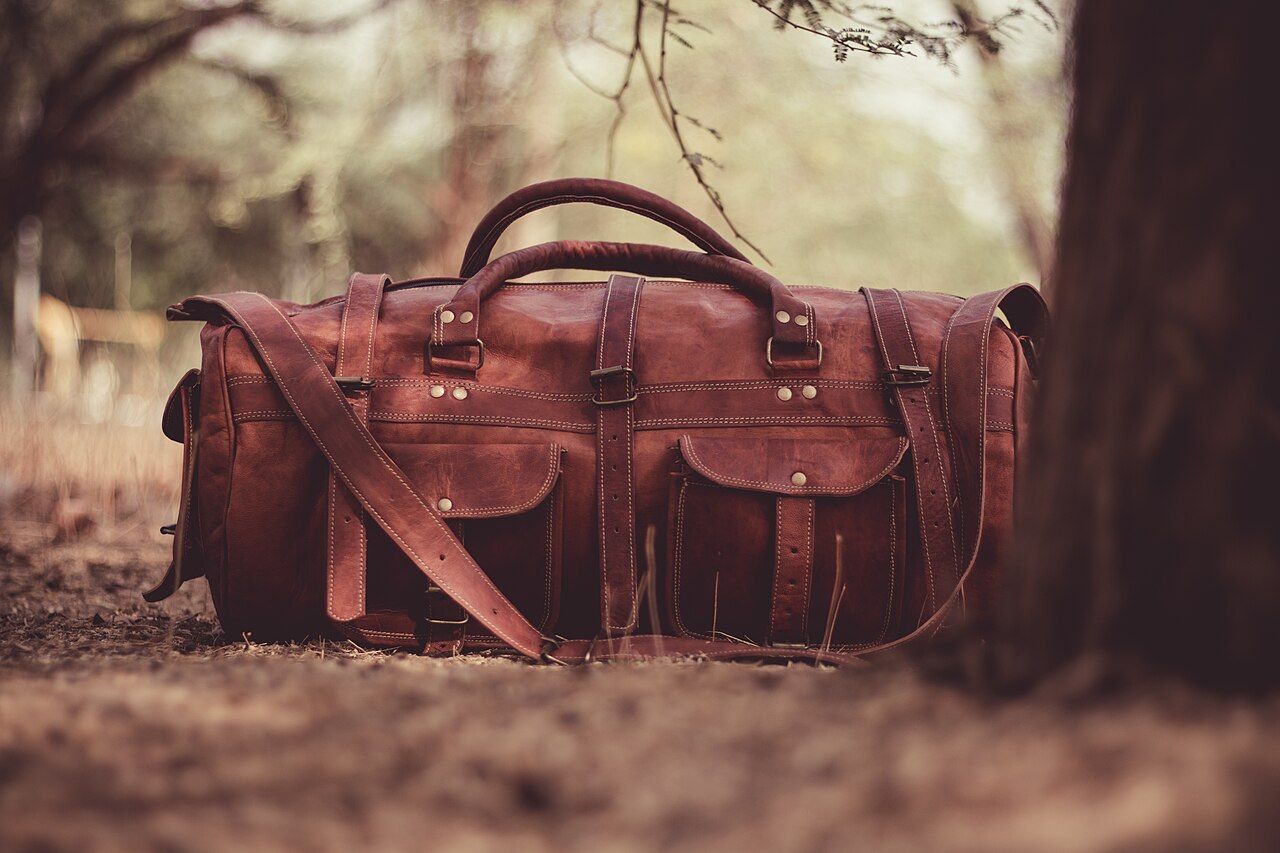
The routine that keeps a leather bag looking good for years: gentle cleaning, safe stain treatment, careful conditioning and smart storage between wears.
A well-made leather bag can last for years, but only if the leather stays clean and supple. Routine care is simple: empty it, wipe it down, treat stains quickly and condition only when the leather actually needs it. This walkthrough covers each step in order, plus the storage habits that keep a bag in good shape between wears. If you are still picking a bag, our bags and accessories guide covers what to weigh up before you buy.
Know Your Leather Before You Start
Start by finding out what kind of leather you have, because finishes need different care. Smooth, full-grain leather shows its natural surface but reacts badly to aggressive solvents. Grained leathers such as saffiano are more structured and shrug off everyday marks better. Patent leather has a shiny coating that needs gentle handling so the finish does not cloud. Suede and nubuck are absorbent and should not be cleaned the way smooth leather is.
Check the manufacturer’s care instructions first, and look at any tag inside the bag. If the finish is unclear, ask the seller before buying a treatment product. Leather also behaves differently from woven fabrics, so what works on a shirt will not necessarily work here; our clothing care guide covers how the textile groups differ.
Supplies You Need (and What to Skip)
Most of this job takes items already in the house:
- Soft, light-colored cloths (microfiber works well)
- Mild soap or a cleaner made specifically for leather
- Leather conditioner formulated for real leather
- Cotton swabs and a soft-bristled brush
- Plain, acid-free tissue paper for storage
Just as important is what to leave in the cupboard. Skip baby wipes, vinegar and other homemade treatments, which can discolor leather. Avoid products containing alcohol, bleach, ammonia or strong solvents, since these can dry out and discolor the surface. Put the hairdryer away too, because direct heat causes leather to dry and crack.
Styling tip
Test every cleaner and conditioner on a hidden spot, such as the underside of the base, and let it dry fully before judging the result.
Step 1: Empty the Bag Completely
Take everything out, then check every pocket and zip compartment. Crumbs, receipts and old pens left inside grind against the lining and cause stains. This is also the moment to catch problems early: an uncapped pen or a leaking makeup compact spotted now saves you a stain treatment later. Shake the bag gently upside down over a trash can to clear loose debris from the corners and seams.
Step 2: Wipe Down and Clean Gently
Work with clean, dry hands, since leather absorbs oils from skin. Dust the exterior with a soft cloth to remove loose dirt. Then mix warm water with a few drops of mild soap, or use a dedicated leather cleaner. Dampen a cloth and wring it out well; the cloth should be barely damp, not wet. Too much water is the most common mistake at this stage, because leather takes a long time to dry.
Wipe the exterior gently, using a clean section of the cloth for each area so you are not spreading dirt around. Follow with a dry cloth, patting rather than rubbing to soak up moisture. Then let the bag air dry completely, away from radiators, sunlight and any other heat source. Where you use water at all depends on the finish, so follow the manufacturer’s guidance.
Step 3: Treat Stains by Type
The general rule is that less is more. Blot fresh spills with a soft, dry cloth, pressing straight down rather than wiping, which pushes the stain deeper and spreads it outward.
| Stain | What to do |
|---|---|
| Ink | Blot immediately with a dry white cloth, then press a barely damp, soapy cloth onto the mark and lift. Work from the outside edge inward and stop the moment the cloth picks up the bag’s own color. |
| Oil or grease | Cover the spot with cornstarch or baking soda and leave it overnight so the powder absorbs the oil, then brush it away with a soft brush. |
| Makeup or powder | Wipe gently with a small amount of mild cleansing milk on a clean cloth, then finish with a damp cloth. |
| Water | Blot the moisture and let the bag dry naturally. Do not apply conditioner just because the surface got wet. |
Ink deserves a warning. It is a dye, and the leather is dyed too, so anything strong enough to dissolve the stain can damage the finish. Rubbing alcohol, once standard advice, can dry out and discolor leather, so skip it. Do not scrub repeatedly at a stubborn mark or stack products on top of each other. For set-in ink or color transfer from dark clothing, a leather-care specialist is the safer call.
Step 4: Condition Only If the Leather Is Dry
Conditioner puts fat back into the hide. Leather is a network of fibers that slide past each other, and cleaning, sun and handling slowly strip those fats away, which is what leads to stiffness and eventually cracks. But more is not better, and conditioning a bag that does not need it can affect the finish and color.
The simplest check takes a thumb and a flat panel. Press down, lift off, and watch what the leather does: supple leather bounces back at once, while dry leather leaves a small dent that sits there briefly before easing out. If the dent fades quickly, skip the conditioner; if it stays put, a light application is due.
When it is time, apply a small amount of leather conditioner to a soft cloth and buff it in with a circular motion across the whole bag. Wipe off any excess and let the bag rest before using it again.
How Often to Clean and Condition
A quick sweep with a soft, dry or slightly damp cloth every other day or so keeps grime from building up. A more thorough clean, meaning the full process above, is worth doing once or twice a year.
Conditioning frequency depends on the bag’s life. Twice a year is enough for most bags, up to roughly once a month in very dry climates. A bag that lives in a closet needs less; one that sits in sunlight or gets rained on needs more. Watch the leather itself rather than the calendar.
Storing the Bag Between Uses
Empty the bag before storing it. Leather stretches, so a bag left packed with daily essentials can warp out of shape. Fill it instead with plain, acid-free tissue paper to hold the silhouette, or use bubble wrap or parchment paper. Never use newspaper, which can smear onto the lining.
Slide the bag into a breathable dust bag, since plastic traps moisture. If the original dust bag is long gone, a white cotton pillowcase works; colored fabrics can transfer dye. For long stints in storage, wrap hardware such as zips and clasps in tissue paper so they do not press imprints into the leather, and tuck in a silica gel packet to guard against dampness.
Store the bag upright, away from direct sunlight and radiators, both of which fade and dry out leather. Air it out once every two weeks to prevent mold. Between wears, keep pens and cosmetics in their own compartments, avoid overloading the bag, and set it down on clean surfaces rather than the floor.
Some damage needs more than home care. For cracking, flaking, mold, noticeable color loss or a stain you cannot identify, contact the manufacturer or a leather-care specialist, and tell them what happened and what products you already used. Handled this way, the same bag can carry outfits for many years.
See also How to Treat Common Stains on Clothes and Fabric Guide: Cotton, Linen, Wool and Synthetics Compared.
Style notes
- Identify your leather finish before cleaning, because smooth, grained, patent, suede and nubuck leather each need different care.
- Clean with a barely damp cloth and mild soap, then air dry away from direct heat and sunlight.
- Blot fresh stains rather than rubbing, and treat each type differently, such as powder for grease and gentle blotting for ink.
- Condition only when the leather is actually dry, usually once or twice a year, applying sparingly in circular motions.
- Store the bag empty in a breathable dust bag filled with tissue paper, away from sunlight and radiators.
Style Q&A
Can I use baby wipes to clean a leather bag?
No. Baby wipes and other household shortcuts like vinegar can discolor or damage the finish. Stick to mild soap, water and products made for leather.
How do I know if my leather bag needs conditioning?
Press a thumb into a flat area and release. If the leather springs back, it does not need conditioner; if the dent lingers, the leather is dry and will benefit from a light application.
How do I remove an ink stain from a leather purse?
Blot it immediately with a dry white cloth, pressing down rather than wiping, then press a barely damp, soapy cloth onto the mark and lift. Stop if the cloth picks up the bag’s own color, and take set-in ink to a specialist.
Can I dry a wet leather bag with a hairdryer?
No. Direct heat causes leather to dry and crack. Blot off the moisture with a soft cloth and let the bag air dry naturally, away from radiators and sunlight.