
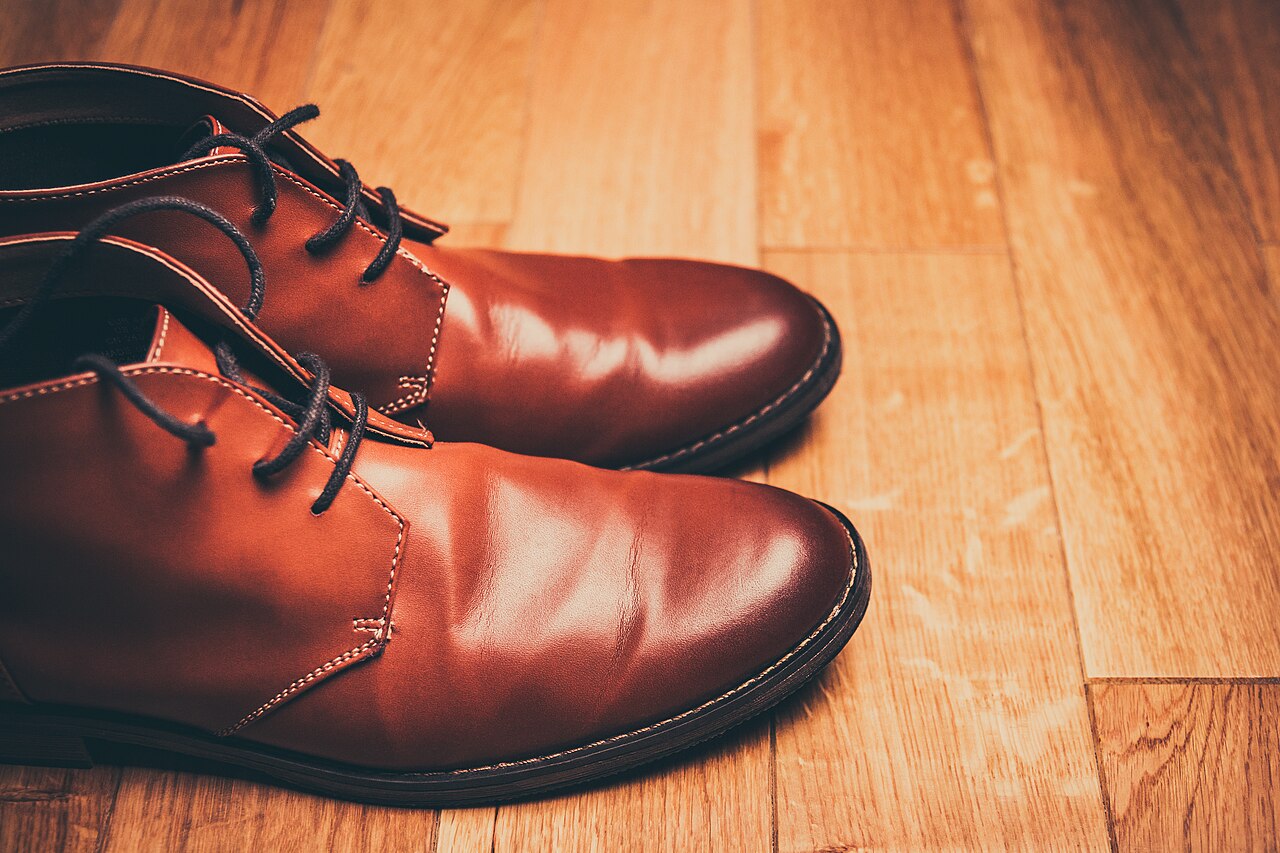
Boots are one of the few wardrobe purchases where what you cannot see matters most. Here is how to read the construction, the leather and the fit before you spend.
Boots are one of the few purchases where the details that matter most are invisible from across the store. Two pairs can look nearly identical on a shelf, yet one can be resoled for years while the other is done the first time its sole wears through. Learning a few construction terms takes about ten minutes.
Why Construction Matters More Than Price
Construction is the term for how the upper of a boot is joined to its sole. That detail shapes how many years a pair lasts, how well it keeps water out, whether it can be repaired, and how it feels underfoot. Most shoppers focus on leather and looks, but two pairs cut from the same hide can age very differently based on that join.
Price alone will not tell you what you are getting. Goodyear welt has become shorthand for quality footwear, but it describes how a boot is built, not the leather grade, style or country of origin. A sturdy pair at a modest price can outlast an expensive glued-together one, so read the product description before assuming cost equals construction.
A pair that works with jeans on Saturdays and tailored trousers on weekdays earns its keep, the same logic behind building a capsule wardrobe around versatile pieces.
Sole Construction: Welted, Cemented and Blake
Three methods cover most of what you will see.
A Goodyear welt uses a strip of leather (occasionally rubber or plastic) that runs around the edge of the sole. The strip is sewn to the upper first, then the sole is sewn to the strip rather than to the upper. Because the welt is separate, a cobbler can resole the boot many times without altering the fit. A wider storm welt bends upward to seal the gap between upper and midsole, adding protection against water and muck.
Cemented construction relies on adhesive rather than stitches: the outsole is bonded straight onto the midsole and upper. It is the most common method because it is fast, cheap and flexible. But glue alone eventually shows its weakness: the bond can lift at the edges, a failure called sole separation, especially after repeated soaking and drying or heavy flexing. A stitched line on a glued sole is decoration and holds nothing.
Blake stitching splits the difference. A single line of stitching runs through the outsole, upper and insole, with no welt strip in between. That keeps the profile slim and the boot light, which suits dressier styles, but resoling takes a specialist and the stitch line can let water in.
Upper Leathers Compared
After tanning, a hide is thinned by cutting it into a top portion and a bottom portion. Leather from the top portion is called top grain, and both full grain and corrected grain belong in that category. Full grain keeps the hide’s outer surface unpolished, and hair follicles are still visible up close. Corrected grain is sanded to remove scars, then stamped with an artificial grain and often finished with pigment.
Neither label is automatically better. Corrected grain can match full grain for durability, but buffing removes natural softness, and it never develops the patina full grain is known for. One quick check: scratch the leather lightly. No mark usually means corrected grain. Because flawless hides are rare and expensive, corrected leather is the most widely used in footwear.
Fit Checks Before You Spend
Construction decides how long a boot lasts; fit decides whether you actually wear it. Check three things.
- Toe room. Toes should wiggle without pressing the front; numbness or pinching will not improve with wear.
- Heel slip. Some lift when you walk is normal in a stiff new boot; pronounced sliding means the fit is wrong.
- Break-in expectations. Welted boots start stiff and mold to your foot as you wear them; cemented boots feel flexible from day one and will not change much.
Walk the store in both boots, wearing the socks you plan to pair with them.
Everyday Heights and Styles
For a first pair, ankle-height boots are the practical choice. A plain toe or cap toe lace-up in brown or black works with denim, chinos and dresses, while a Chelsea style pulls on easily and looks sleeker. Keep the shape classic; a simple design matches more of what you already own. If a trendier color appeals, treat it as a second pair and apply the same budget thinking you would use to try a trend without overspending.
Care Basics and When Resoling Beats Replacing
Leather uppers last longest with routine care: wipe off dirt, let wet boots dry slowly away from direct heat, and condition occasionally. The advice in our guide to cleaning a leather bag works on boot uppers too: clean gently, condition sparingly, never rush the drying.
Resoling is the payoff of welted construction. When the outsole wears smooth, a cobbler can stitch on a new one while the rest of the boot keeps going, as long as the upper is still whole, with no tears. That usually costs less than a new pair, and a boot that fits well is worth rebuilding. Cemented boots rarely justify repair; when the glue fails, replacement is usually the sensible move.
Styling tip
Next time you shop, turn a boot over and look at the sole edge. A visible stitch around the perimeter suggests welted construction; a clean glue line with no stitching means cemented.
Style notes
- Goodyear welted boots stitch the sole to a leather strip called a welt, so a cobbler can replace the sole several times without replacing the whole boot.
- Cemented boots glue the sole on with no stitching. They are lighter and more flexible right away, but they are usually replaced once the sole wears out.
- Full-grain leather has an untouched surface that develops a patina, while corrected grain leather has been sanded and stamped with an artificial grain.
- Welted boots start stiff and break in over time; cemented boots feel flexible from day one, which makes them fine for occasional wear.
- Resoling a welted boot usually beats replacing it, provided the upper leather is still whole and untorn.
Style Q&A
What does a Goodyear welt actually do?
It is a strip of leather, sometimes rubber or plastic, that runs around the edge of the sole. It is sewn to the upper first, then the sole is sewn to the welt, which improves water resistance and makes resoling straightforward.
Can cemented boots be resoled?
Generally no. Because the sole is glued on with no stitches holding it, most cemented boots are replaced when the sole wears out or separates at the edges.
Is full-grain leather always better than corrected grain?
Not automatically. Corrected grain can be as durable as full grain, but buffing removes natural softness and the patina that full grain develops over time.
How can I spot a fake welt stitch?
The stitching is decorative and carries no load, so the sole will come loose the same way any glued sole does. Check the sole edge closely and ask how the sole is attached before you buy.