
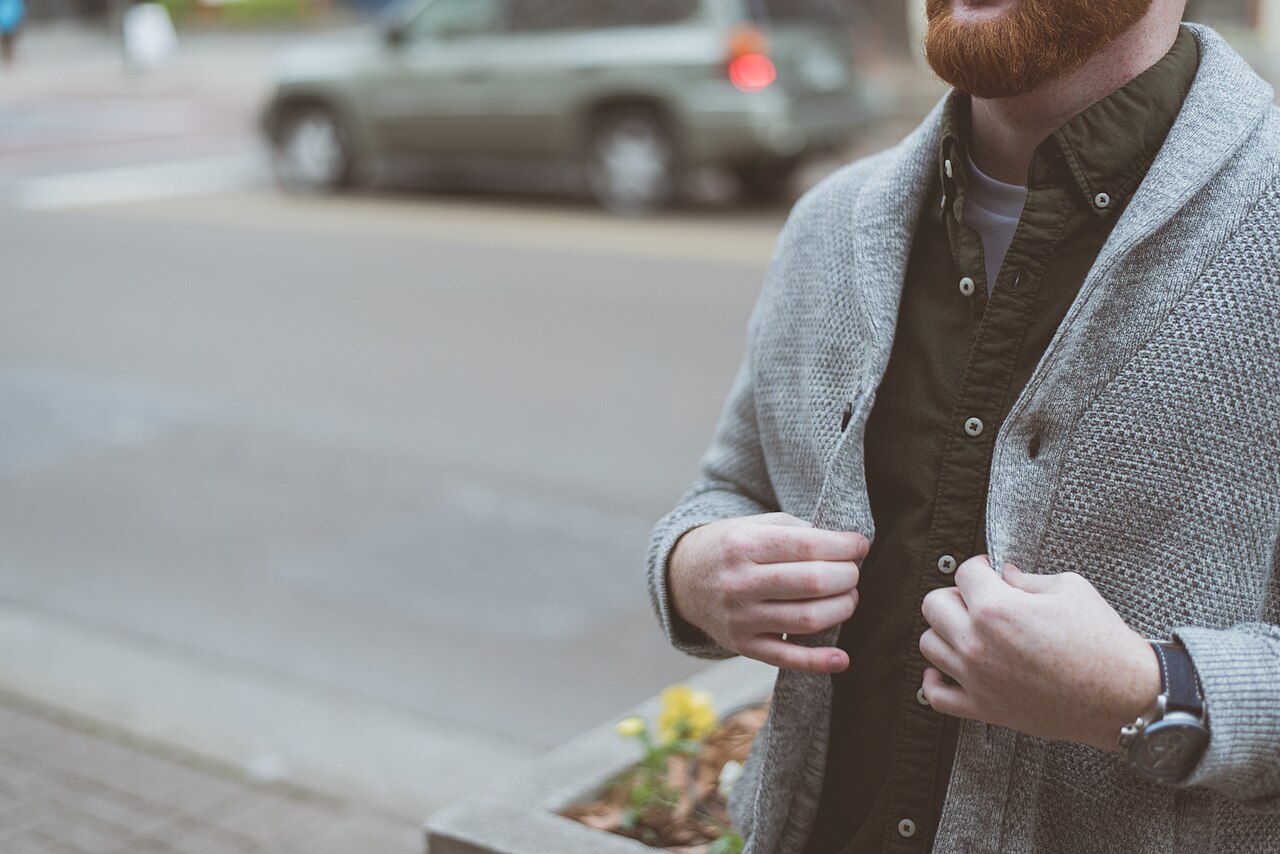
One well-chosen sweater can anchor a whole season of outfits. These five formulas show how tucks, layers and different bottoms keep a knit working from warm afternoons to the first frost.
A good sweater does more work in a fall wardrobe than almost any other piece. Buy one in the right weight and shape, and it can carry outfits from warm September afternoons through the first frost without much fuss. The trick is rarely the sweater itself. It is how you style it, so here are five formulas built around a single knit, plus notes on how each one shifts as the weather turns.
Start With the Right Weight Knit
Before styling, pick a sweater that can support the formulas below. A round neck is the most flexible because you can layer a shirt or turtleneck underneath or add a scarf on colder days. Look for a knit that is slouchy and long enough to tuck, since a sweater that hits at exactly the hip leaves you with nothing to work with.
Weight matters just as much. A mid-weight knit that is roomy rather than thick gives you a loose, drapey look when tucked, and it layers without adding bulk. A chunky wool sweater simply will not fit smoothly into most bottoms, especially anything with a slick or tailored waistband. Wool and cashmere hold up best against the cold, which matters once you are down to the last formula on this list. A plain knit in a neutral you love also earns its keep across many outfits, which is exactly the idea behind a capsule wardrobe.
1. The Full Tuck With Wide-Leg Pants
A full tuck all the way around has its place, and wide-leg pants are it. Tucking a fitted or lightly slouchy sweater into the waistband defines the waist and keeps the volume of the pants from swallowing your whole silhouette. The proportions are the reason this works: loose on the bottom calls for a defined top half, or the outfit loses its shape entirely.
Two fit details make or break this look. First, go with mid-rise or high-waisted pants, because low-rise waistbands leave less room for excess fabric and you will be pulling the sweater back into place every time you bend down. Second, keep the fabric thin enough to lie flat under the waistband. For a deeper look at cuts and rises, our guide to styling wide-leg pants covers how the waistband and length change the whole outfit.
2. The Front Tuck Over Jeans
This is the fastest formula on the list, and the most useful. The front tuck, sometimes called the French tuck, means tucking only a few inches of the sweater at the center front and leaving the sides and back loose. Done in under a minute, it defines your waist without the fuss of a full tuck, and it reads as casual rather than fussy.
Styling tip
If a tucked sweater bunches at the waist, tuck the hem up under your bra. If the sweater is too short for that, wear a skinny belt at your natural waist, tuck the sweater up and under it, then pull the knit back down over the belt.
A few details refine the look. Keep the pouf of fabric centered for a clean, symmetrical shape, or push the tuck slightly to one side for a more relaxed feel. If your jeans have a button fly or an embellished waistband, use a shorter hem and a slightly wider tuck so the detail shows without the sweater competing with it. And accept that some sweaters are not made for tucking at all. Anything bulky with a long hem should stay untucked, ideally over leggings or skinny jeans so the proportions stay balanced. For more everyday combinations, our weekend outfit formulas build on this same idea.
3. Sweater Over the Shoulders on Warm Afternoons
Early fall often means cold mornings and mild afternoons, and this formula handles both. Wear a short-sleeve top or tee as your base, then drape a fine-gauge sweater over your shoulders with the sleeves knotted loosely in front. The drape acts like a scarf, adds a layer of color or texture across the shoulders, and comes off in one motion when the sun shows up.
The key is choosing a thin knit for this role. A heavy sweater piles up at the neck and shoulders, and a thick knot in front adds bulk right where you want it least. A fine merino or cotton blend drapes flat and looks deliberate rather than like an afterthought. If you carry the sweater instead of wearing it, fold it over your bag strap so it stays on hand for the walk home.
4. Layered Over a Collared Shirt
This is the formula that makes a simple crew neck look considered. Wear a collared shirt underneath with the collar and hem peeking out, and the sweater instantly reads more polished. A striped shirt under a boxy cropped knit is a classic pairing, and a plain button-down under a plain sweater works just as well for the office.
If you layer patterns, mix them with intention. Pair a large-scale print with a small one, such as a bold stripe with a fine plaid, and keep one pattern bold and the other muted so they do not compete. A button-down under a polo-collar sweater creates a double-collar effect that adds interest without extra pieces. This layering trick also stretches your wardrobe, since the shirt does the visual work while the sweater does the warming.
5. Sweater as a Top Layer With a Cami Underneath
Think of the sweater here as outerwear for indoors. Wear a fitted cami or tank underneath so you have a base when the knit comes off, whether that is in a warm office, a restaurant or a shop with the heat cranked up. A quarter-zip or half-zip style with a collar is ideal for this, since the zip lets you vent quickly and the collar frames the base layer nicely. Cardigans work the same way, and a cropped buttoned style pairs especially well with wide-leg pants or worn over a tank dress.
Because the sweater is the top layer in this formula, keep the base layer thin and smooth so nothing bunches at the shoulders or waist. Fitted tops under an oversized pullover also balance the volume, which is why slim jeans work so well with a chunky knit.
Adjusting Each Formula as It Gets Colder
Every formula above survives the first frost with small changes. Swap the cami for a fitted turtleneck under the sweater, and add a scarf at the neck once the wind picks up. Plan room for a coat: a mid-weight knit layers cleanly beneath a trench or a bomber, while chunkier knits need a roomier coat, so size your outer layer accordingly. Chunky cable knits pull the weight for the coldest weeks, and wool or cashmere blends insulate better than cotton when the temperature really drops. The front tuck is the one formula that fades as knits get thicker; trade it for an untucked sweater over slim bottoms, and let the fullness of the knit be the look.
Style notes
- A mid-weight crew neck with a slouchy, long-enough-to-tuck shape supports more outfit formulas than a chunky or cropped knit.
- Mid-rise or high-rise bottoms hold tucks far better than low-rise, which leaves too little room for the fabric to sit.
- The front tuck, also called the French tuck, takes less than a minute and defines the waist without looking fussy.
- Pattern mixing works best when you pair a large-scale print with a small one and keep one bold and one muted.
- As temperatures drop, the same formulas shift: swap camis for fitted turtlenecks, add scarves, and plan room for a coat on top.
Style Q&A
What kind of sweater works for the most outfits?
A plain round-neck knit in a mid-weight fabric gives you the most options. It layers over a shirt, tucks without bulk, and pairs with both casual and dressier bottoms.
How do I tuck a sweater without looking bulky?
Use a front tuck with just a few inches of fabric at the center, and choose a sweater that is roomy but not too thick. If it still bunches, tuck the hem up under your bra or under a skinny belt at your natural waist.
Can chunky sweaters be tucked?
Usually not. Thick, long-hemmed knits create bulk when tucked, so wear them untucked over slim bottoms like leggings or skinny jeans instead.
How do I keep sweater outfits interesting without buying more knits?
Change the bottom, the tuck and the layers. The same sweater reads casual over jeans, polished in a full tuck with tailored pants, and layered when worn over a collared shirt.