
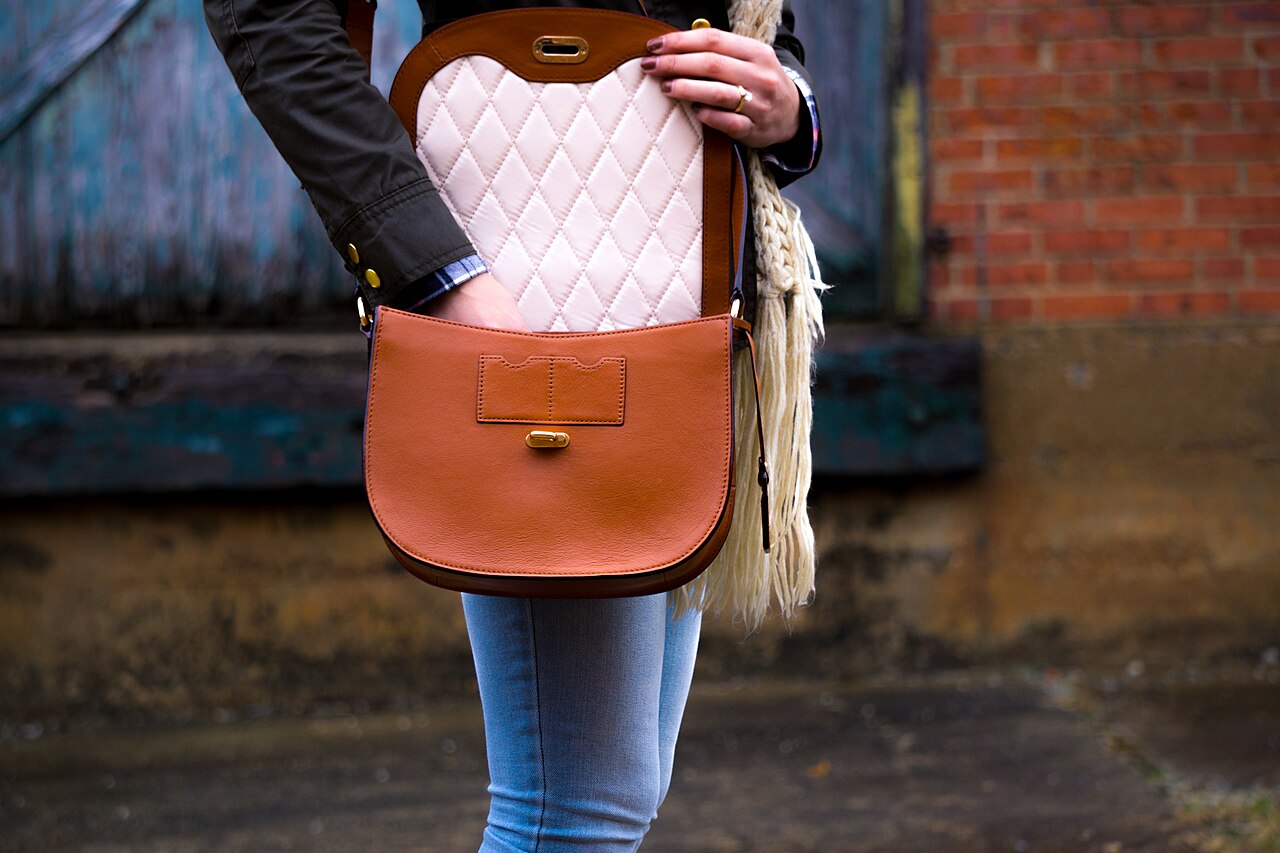
Both bags earn their place in a wardrobe, but they solve different problems. Here is how capacity, comfort, security and price stack up, so you can pick the one that fits your week.
The everyday bag question usually comes down to two styles: the roomy tote and the strap-across-the-body crossbody. Both are mainstays of our bags and accessories coverage, and both earn their popularity honestly. They still solve different problems, and the better pick depends on what your day asks of you and what you carry, not on which style looks better on paper. This comparison covers capacity, comfort, security and price so you can match the bag to your week.
The Two Bags at a Glance
| Feature | Tote | Crossbody |
|---|---|---|
| Capacity | Holds a laptop, its charger, a notebook, a drink and lunch all at once | Fits phone, wallet, keys and a few extras; rarely a full-size laptop |
| How it carries | Hangs from one shoulder, so the weight settles on one side | Strap runs diagonally across the body, spreading the load over the torso |
| Security | Often an open top that exposes contents in crowds | Sits at your front, awkward for a pickpocket to reach |
| Best suited to | People hauling plenty, from office commuters to parents, who want quick access | Errands, travel, evenings out and anyone carrying the essentials only |
Neither style wins across the board. A tote is the workhorse for days when everything has to come with you, and it is the most polished option for office wear, fitting naturally with our workwear advice thanks to its clean lines and structure. A crossbody is built for moving through the day with as little friction as possible; once the strap is across your body, the bag basically handles itself.
Capacity: What Each One Really Holds
This is where the two styles diverge the most. A good work tote takes a laptop, its charger, a notebook, a drink and your lunch with space left over, and that generous interior is exactly why people stay loyal to the style. The day has a way of expanding what you carry: a meeting runs long and moves to a coffee shop, a quick stop on the way home turns into dinner, and somehow you are hauling things you never planned to bring.
The trade-off is the open design. An unstructured tote fills quickly, and small items like keys end up buried at the bottom, impossible to find in a hurry. You can push back by choosing one with divided interior pockets and a place to clip your keys, or by keeping small things in a pouch that lifts out in one piece. A zipper or snap closure helps too, especially on packed public transit.
A crossbody asks the opposite trade: its small space forces you to decide what actually matters, which many people find freeing. The limit is real, though. Most crossbody bags cannot fit a full-size laptop because designers do not build them for that job, and anything larger than a tablet or a small book is usually out of reach. If your routine involves hauling gear, a crossbody will frustrate you within a week.
Comfort and Shoulder Strain Over a Full Day
With a tote, the strap rests on a single shoulder, so the full weight presses down one side. Wear it every day and your body will let you know, especially once a laptop and a water bottle go in. Switching shoulders now and then helps a little, but the imbalance is built into the design. For long walks with a heavy load, the single-strap setup is the tote’s weakest point.
A crossbody spreads the strap diagonally across your torso, which balances the load better than one shoulder can. Do not read that as a license to overpack, though. Stuff a small crossbody past its comfort level and the thin strap digs in, and because the bag hangs diagonally, all that weight tugs on your neck. Padded or wider straps fix a lot of this, so check the strap before you fall for the styling.
Styling tip
Whichever shape you buy, the strap matters more than the silhouette. A padded crossbody strap or reinforced tote handles will do more for a full day of comfort than any feature printed on the tag.
Security and Pickpocket Resistance
A crossbody worn against your front is hard for a pickpocket to reach, which makes it the practical choice for travel, concerts and crowded city streets. It also frees both hands: you can hold a drink, check your phone or grab a subway pole without the bag sliding around or demanding attention.
A tote is more exposed. The open top that makes loading effortless also makes it easy for someone else to reach into, and loose contents can spill when you set the bag down. If you like the tote format but want more protection, look for a zippered version and keep valuables in a closed interior pocket instead of the main compartment.
How Each Bag Fits Work, Weekends and Travel
For the office, the tote has the edge. A structured tote looks sharp in nearly any workplace and pairs naturally with the office combinations in our outfit ideas, and it moves from commute to meetings without looking like gym gear. For weekends, the balance flips: a crossbody fits errands, brunch and evenings out, when a phone, wallet and keys cover the whole list.
Travel rewards both, in different roles. On a flight, a tote can double as a personal item, which on US domestic flights typically needs to fit under the seat in front of you; the common size guideline is about 18x14x8 inches, though some airlines skip the numbers and simply require the bag to fit under the seat. Even that can vary within the same aircraft, and aisle seats tend to offer the least space underneath, so check your airline’s specifications before you buy. A small crossbody also works as a personal item and keeps your documents and phone secure through the airport. On longer trips, either bag handles the under-seat job while a carry-on does the heavy lifting.
Price Ranges and What Makes One Last
Both styles span an enormous price range, from inexpensive canvas versions at the low end to leather designs that cost several times more. Price alone does not predict longevity. At the high end, leather is often considered the best material because it is soft and conforms well to what is inside, while canvas and ripstop nylon hold up as solid, more affordable alternatives.
Whatever the material, judge the construction: heavy-duty hardware, neat and even stitching, fabric that resists tearing, and some ability to withstand moisture from rain or an inside spill. A well-made bag in either style can outlast a pricier one with sloppy stitching. Leather especially rewards maintenance, and conditioning it a couple of times a year keeps it supple; our clothing care section walks through the process. If a new bag is part of a broader wardrobe reset, it also pairs well with a capsule approach built on versatile pieces.
Which Bag to Buy First If You Can Only Have One
Let your heaviest regular day make the decision. If you commute with a laptop, pack lunch or shuttle kid gear, the tote earns its keep immediately, and no crossbody will substitute. If your days are errand-heavy, transit-heavy or hands-busy, and you carry only a phone, wallet and keys, the crossbody will feel like it was designed for your routine, because it was.
If your week genuinely includes both situations, most people eventually land on a pair: one large bag that hauls everything to the office and a lighter, hands-free one for whatever the rest of the week brings. That is not indecision, it is matching the tool to the day. Start with whichever half of your week is harder on your current setup, and add the second bag when the gap becomes obvious.
For more, see How to Clean and Condition a Leather Bag and Belts for Beginners: Sizing, Widths and Buckles.
Style notes
- A tote wins on capacity, with room for a laptop, its charger, a notebook, a drink and lunch all at once.
- A crossbody wins on security and hands-free wear because the strap runs diagonally and the bag sits at your front.
- A tote loads all the weight onto a single shoulder, while an overloaded crossbody tugs on your neck through a thin strap.
- For US domestic flights, a personal item usually has to fit under the seat, with about 18x14x8 inches as the typical size.
- Many people who need both eventually own two bags: one sized for the workday and one small enough to wear without thinking.
Style Q&A
Can a crossbody bag hold a laptop?
Most crossbody bags are not designed for a full-size laptop, though some larger structured versions can fit one. Check the interior dimensions against your laptop before buying.
Which bag is better for travel?
A crossbody is generally the safer pick in crowded places because it stays at your front, where a pickpocket cannot reach it easily. A tote works as a personal item on flights as long as it fits under the seat.
How do I keep an open tote from getting disorganized?
Look for a tote with divided interior pockets and a place to clip your keys, and keep small items in a pouch you can lift out in one piece. A zipper or snap closure also helps in crowds.
Do I really need both bags?
Not right away. Start with the one that matches your heaviest regular day, then add the other when your schedule makes the gap obvious.