
Trends follow a predictable cycle from debut pricing to markdowns. Here is what happens at each stage and which moment fits your budget and your wardrobe.
Every trend runs on a clock. Some race from runway to store in weeks, while others take a full year to reach the racks you actually shop, and all of them eventually land in a clearance section. This timeline walks through each stage so you can decide whether to buy now, wait for a markdown, or skip the look entirely.
How a Trend Travels From Runway to Rack
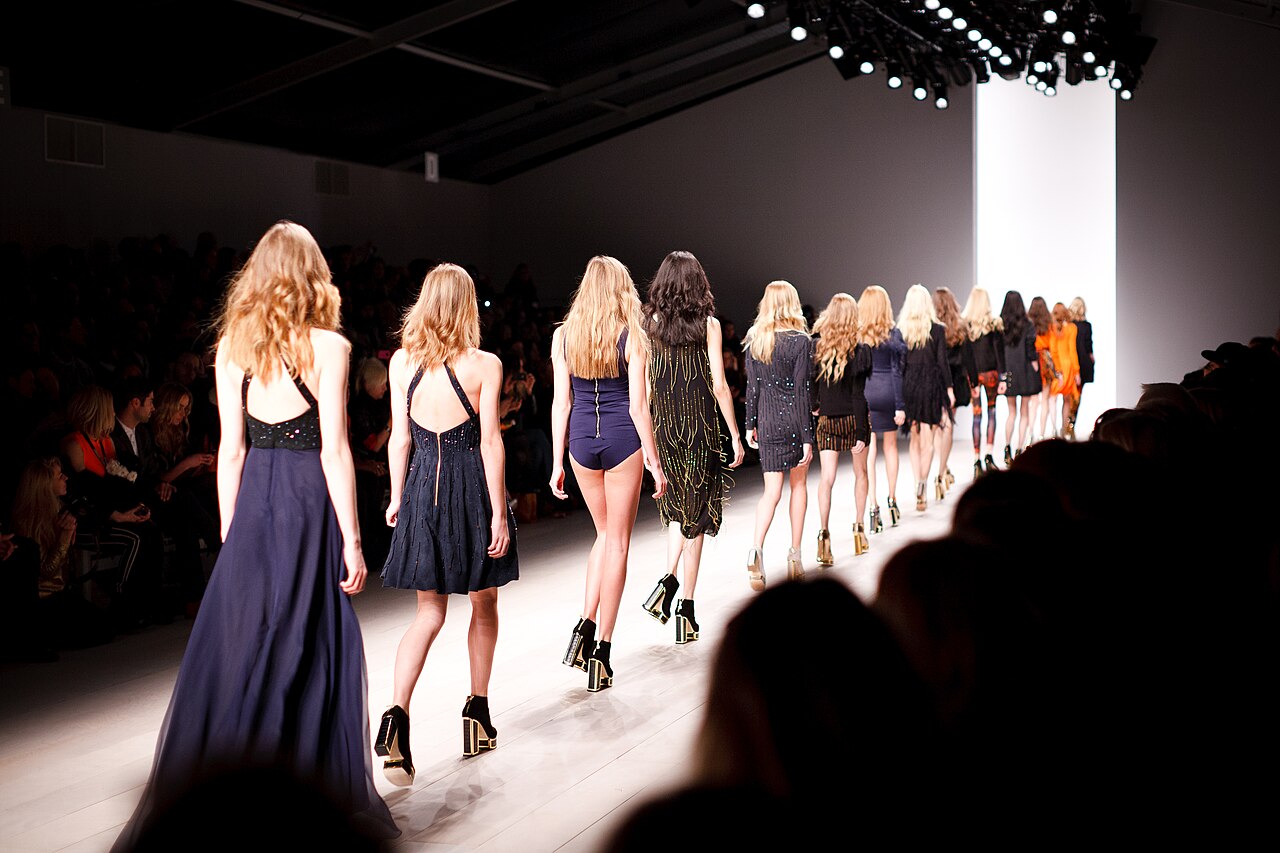
A runway look is a signal, not yet a trend. Industry analysts draw a hard line between the two: an idea that appears across several designers is an industry signal, while a trend only exists once shoppers adopt it in measurable numbers. Plenty of heavily covered runway ideas never make that jump.
The trip from show to shelf is also shorter than it used to be. Zara can take a runway-inspired item from design through production and onto the sales floor in two weeks or less, and wholesale suppliers now move small test orders to boutiques in roughly 7 to 12 days, a fraction of the old timeline that had buyers locking in big orders six months ahead. During the spring 2025 show cycle, #FashionWeek clips drew 4.9 billion TikTok views, and tracking by Vogue Business showed 31 percent of those viewers bought an item tied to the shows within a month.
That speed cuts both ways. You see the look sooner, but the market also floods sooner, which shortens the window when the trend feels fresh. The full cycle looks like this:
| Stage | What you see in stores | What prices look like |
|---|---|---|
| Introduction | Designer and niche versions, limited sizes and stock | Highest |
| Rise | Mid-market interpretations arrive | Moderate to high |
| Peak | Fast fashion and high street versions at scale | Widest selection, first discounts |
| Decline | Markdowns spread, selection thins | Clearly discounted |
| Revival or fade | Pieces vanish, then may return in new form | Clearance and secondhand |
The stages do not run on a fixed schedule. A viral micro-trend can compress all five into a single season, while a broader shift unfolds over a year or more. The order is what stays consistent.
Early Wave: What You Pay for Being First
At the introduction stage, prices sit at their highest and availability is limited, and the look is worn mostly by stylists, designers and early adopters. Buying in means paying a premium to go first.
That premium carries real risk, because runway buzz is a poor predictor of demand. Forecasters flagged square-toe pumps that surged 344% in runway visibility yet were forecast to grow consumer adoption by only 2% worldwide, while fringes gained 23% visibility with forecast adoption growth of 18% among women in the EU. Strong coverage and strong sales are two different things.
The smartest move here is usually to wait and watch. Note the trend, check whether it keeps appearing across designers and price points, and picture it with clothes you already own. If you keep a list of wardrobe gaps, check the trend against it now. Our guide to building a capsule wardrobe is a useful baseline, because a trend that plugs into core pieces has a far better shot at earning its price.
Peak Season: When Everyone Has It
The rise brings mid-market interpretations at more moderate prices, and then peak arrives: high street and fast fashion versions at scale, in every mall and every price tier. This is the phase most people recognize as on trend. By the time a look is obvious everywhere, it may already be approaching its peak.
Social feeds add pressure at exactly this moment. Seventy-one percent of weekly TikTok users say the app nudges them into shopping they had not planned, so seeing a piece for the tenth time is not a reason to buy it. Buy at peak only if the item fills a genuine gap in your closet. A wide-leg pant that swaps in for the straight pairs you already wear is a different purchase than a fringe jacket that matches nothing, and our guide to styling wide-leg pants shows how a trend piece earns repeat wear when it fits outfits you already build.
The Markdown Window and What It Signals
Markdowns follow retail calendars and inventory cycles, not moods. A group of designers and retailers has pushed for a cleaner schedule, with fall collections merchandised from August to January and marked down in January, and spring collections displayed from February to July with markdowns in July. Designers behind that effort argued that a customer who pays full price should not watch the same piece get marked down 50 percent six weeks later.
Deal data shows timing matters more than most shoppers assume. An analysis of more than 10.6 million retail deals by Savings.com found the week of July 13 was the year’s peak for major categories including apparel, with over 66,000 deals in apparel and accessories that week. June and July are the most saturated months for deals, seven of the ten busiest weeks for promotions land in the stretch from June into early August, and just two holiday weeks made the top ten at all. The report’s conclusion was blunt: Black Friday draws the most shopper attention, but the year’s best deals peak at other times. Cyber Week ranked sixth overall, and deal volume declines from December into January, then keeps falling into February. During the holidays themselves, promotions typically ran 25 to 40 percent off, occasionally up to 60.
Styling tip
The deepest discounts tend to cluster in summer weeks most shoppers ignore, not around the holidays. Planning purchases outside the traditional shopping calendar is where the savings concentrate.
When a trend you have been watching starts hitting those ranges, the market has spoken and supply has caught up with demand. That is your window if you want the piece, because sizes and colors start thinning as the discounts deepen.
Timing Your Purchase to Your Own Wardrobe
The right moment depends less on the trend and more on what it replaces. If a piece fills a gap, works with at least three things you own and can cross seasons, buying at the rise or early peak makes sense, because you collect more wears at full price. If it is a statement that depends on the trend staying hot, wait for markdowns. Our guide to trying a trend without overspending covers low-cost ways to test one first.
Weigh the calendar against the closet, too. Retailers have been pushing toward buy-now, wear-now delivery, timing new seasonal products to when shoppers can actually use them. A January markdown on a winter coat leaves little season left, so the deepest discount is not always the best value per wear. If you decide to wait, wait with a plan: know your size, know the price you consider fair and set a limit before the discounts start.
How to Tell a Trend Is Fading
The signs are consistent across categories:
- Markdowns spread from single styles to an entire category.
- Sizes and colors thin out, and core colors disappear first.
- Retailers stop reordering, and the piece migrates to outlet and clearance sections.
- Social feeds move on, and the look starts reading as dated rather than current.
Fading is not the same as gone. Fashion runs in cycles, and trends that fall out of favor are often reinterpreted and revived in a new form. That is why a classic version of a fading trend at clearance can be a smart buy, while its most exaggerated version rarely is.
A Quick Checklist Before You Buy In
Run through these questions at any stage:
- Which stage is the trend in? Check how many stores carry it and at what price points.
- Does it pair with at least three pieces already in your closet?
- Am I replacing something worn out, or adding a near-duplicate?
- Can I wait for the markdown window without losing the season I would wear it in?
- Is it a basic or a statement? Pay full price for basics, hold out for discounts on statements.
- Did I want this before the algorithm showed it to me five times?
Answer those honestly and the timing question usually answers itself. A trend that passes every check at full price was never really a trend purchase. It was a wardrobe purchase that happened to be fashionable.
Style notes
- A runway look is only a signal; it becomes a trend when shoppers actually adopt it, and heavy runway coverage does not guarantee demand.
- Zara can take a runway-inspired design through production and onto shop floors in two weeks or less, so trends now saturate faster than they once did.
- Deal data shows seven of the ten busiest deal weeks land between June and early August, and Black Friday draws the most attention without offering the year’s best promotions.
- Buy versatile gap-fillers at the rise or peak, and save statement pieces for the markdown window when promotions often run 25 to 40 percent off.
- Fashion cycles repeat, so a classic version of a fading trend at clearance often outlasts its most exaggerated version.
Style Q&A
How fast can a trend reach stores?
Zara can move a runway-inspired item from design through production and into shops in two weeks or less, and small wholesale test orders can reach independent boutiques in roughly 7 to 12 days. Viral micro-trends can compress the whole cycle into a single season.
Are January clearance sales the best time to buy clothes?
Not necessarily. Deal volume declines from December into January and keeps falling into February, while summer weeks hold the highest deal volume of the year according to an analysis of more than 10.6 million retail deals.
Is it ever worth buying a trend at full price?
Yes, if it fills a real gap in your wardrobe and pairs with pieces you already own, since you collect more wears at full price. Statement pieces that depend on the trend staying hot usually reward waiting for markdowns.
How do I know a trend is fading?
Markdowns spread from single styles to an entire category, sizes and colors thin out, and retailers stop reordering. Faded trends often return later in a revised form.