
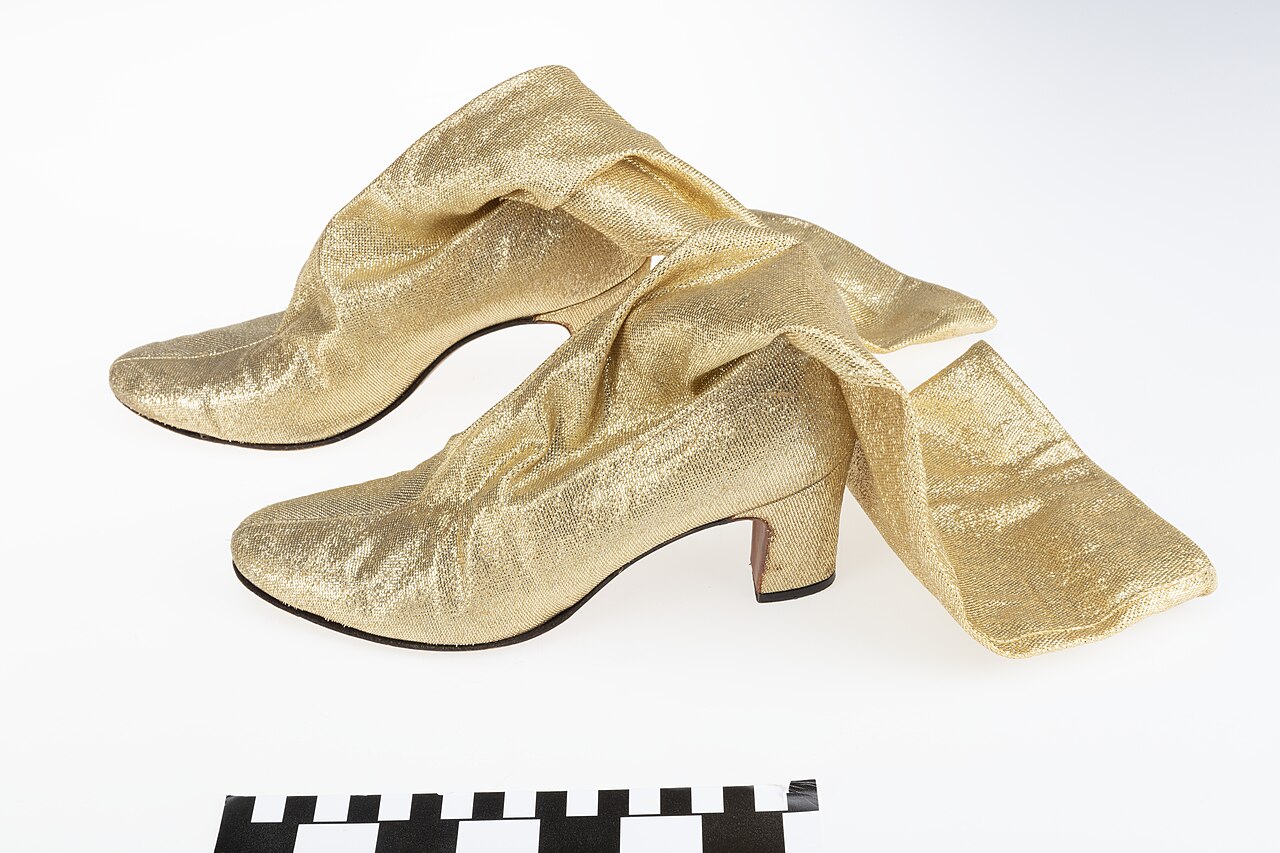
Both are wardrobe workhorses, but they earn their keep in different ways. Here is how the two heights compare on styling, fit, warmth and value.
Ankle boots and knee-high boots both earn a place in a working wardrobe, but they solve different problems. Ankle boots are the quiet all-rounder that slips under trousers and finishes almost any outfit without asking for attention. Knee-highs carry more presence, cover more leg, and can anchor a look on their own. The right first pair depends on the hems you already own, the weather where you live, and how much patience you have for fit.
The Case for Ankle Boots
Ankle boots sit at or just above the ankle, with a shaft that generally runs 3 to 8 inches, measured from the arch to the top of the boot. That low cut is their main advantage. They slide under a full-length trouser without bunching, show cleanly under cropped hems, and work as easily with jeans as with a midi skirt. Straight-leg, wide-leg and bootcut denim all sit comfortably over a low shaft, so one pair covers most of a typical closet.
Fitting them is simpler too. There is no calf to match, only the foot and ankle, and the lower shaft leaves your ankle free to move, which matters if you walk or stand a lot. A pair that sits snugly at the ankle without gaping is ready to go.
The styling rule is straightforward. The hem above an ankle boot should either stop clearly short and show some leg, or fall long enough to cover the shaft. A hem that ends at the widest part of your calf cuts the leg at an awkward point. Cropped straight jeans, a midi skirt that clears the boot, or full-length trousers over the shaft all keep the line clean. That flexibility is why ankle boots anchor so many capsule wardrobe plans.
The Case for Knee-High Boots
Knee-high boots run roughly 11.5 to 15 inches up the shaft and end just below the kneecap. Because they cover the calf completely, the eye reads the leg as one continuous vertical line instead of breaking at the ankle. That is the whole appeal: a longer leg line and an outfit with real presence.
The coverage has a practical side. More shaft means more warmth for the lower leg once temperatures drop, which is why knee-highs earn their keep through the colder months. The best pairings follow from the shape: a skirt or dress that ends at or just above the knee, skinny jeans or leggings tucked in, or a mini dress with tights. Midi and maxi hems work with both heights, though longer ones hide most of the shaft.
A statement works with a narrower set of hemlines and silhouettes than an everyday boot does. If your closet leans toward trousers and longer skirts, a tall boot will come out less often than you expect.
Side-by-Side: Styling Range
| Factor | Ankle boots | Knee-high boots |
|---|---|---|
| Shaft height | Roughly 3 to 8 inches, measured from the arch to the top | Roughly 11.5 to 15 inches, measured the same way |
| Works best with | Straight-leg and wide-leg jeans, cropped trousers, midi skirts | Skirts or dresses ending at or just above the knee, skinny jeans tucked in |
| Hem rule | Hem stops short and shows the ankle, or falls long enough to cover the shaft | A sliver of leg shows above the boot, or it tucks under slim trousers |
| Fit demands | Snug at the ankle with no gaping | Must match the width and curve of your calf |
| Weather role | Works across seasons with the right socks and hems | Adds warmth and leg coverage in cooler months |
One proportion to watch: a heavy platform sole under a short hem reads as bottom-heavy. Chunkier soles look best with volume above, such as wide trousers or longer hems. If you like the leg-lengthening effect but are not ready for over-the-knee styles, a boot that stops just below the knee gives you most of the line with far more outfit options.
Fit Matters More in Knee-Highs
Ankle boots mostly ask for a snug ankle and a comfortable foot. Knee-highs ask for all of that plus a match with your calf, and calves vary far more between people than shoe sizes do. A shaft that is too wide gapes at the top and spoils the line. One that is too tight pinches by midday and ends up unwearable. Bootmakers label tall boots by calf width, so know your number before you order.
Measuring takes two minutes. Sit with your feet flat and your knees bent at a 90-degree angle, which puts the calf at its widest, then wrap a soft tape measure around the fullest part of one calf. Keep the tape snug but not tight. Measure both calves and use the larger number if they differ. If you plan to wear the boots over tights or trousers, measure with them on.
Material changes the math. Real leather stretches and softens as you wear it, so a pair that feels close at the top of the calf may relax into shape. Synthetics offer far less give, so what you try on is what you get. Either way, the boot should never slip at the heel.
Styling tip
Measure both calves, seated, and shop to the larger number. If the boots will go over tights or trousers, wear them while you measure.
Weather and Everyday Practicality
Both heights can work year-round, but they pull different weight as the weather turns. Ankle boots pair with midi dresses and cropped trousers in almost any season, which makes them the backbone of easy weekend outfit formulas. A sock in a matching color peeking above the shaft reads as part of the boot rather than an accident. Knee-highs carry the colder months, when the extra coverage keeps your lower leg warm.
Heel choice matters more than boot height. A low to mid heel, roughly 3 to 6 cm, gives lift without wearing your foot out by evening, and a block heel keeps either style steady over a full day. Taller shafts also restrict movement more than low ones, which matters if your days involve a lot of walking.
Cost, Care and Cost Per Wear
Neither style is automatically cheaper, since both come in a wide spread of materials and price points. The smarter way to think about the money is cost per wear. An ankle boot that comes out most days of the week pays for itself faster than a knee-high that only appears on special occasions. A tall boot still earns its place if it anchors the winter skirts and dresses you reach for constantly.
The care routine is the same for both, which keeps things simple. Wipe boots clean after each wear, use boot trees to hold their shape, apply a leather conditioner periodically and store them upright away from direct heat. Construction matters more than style, and our first-timer’s guide to buying boots that last covers the features worth paying for. Knowing how leather grading works also helps you judge whether a price reflects the material.
Which Pair Should You Buy First?
Let your closet make the call. Ankle boots are the sensible first buy if your week runs on trousers and straight-leg or wide-leg jeans, and you want one pair that handles the office, errands and weekends without a second thought. They also suit anyone who walks a lot or wants the simplest possible fit.
Knee-highs are the better first buy if skirts and dresses fill most of your cold-weather outfits, if extra leg coverage matters to you, or if you want one piece that makes simple outfits look deliberate. If you like the tall-boot idea but feel unsure, skip over-the-knee styles for now. A boot that ends just below the knee gives you most of the lengthening effect while working with far more of your closet.
Style notes
- Ankle boots pair with trousers, most jeans and midi skirts, and their low shaft makes them the easiest boot to fit and wear all day.
- Knee-high boots create a longer leg line and add real warmth and coverage, but they demand a proper calf fit and work with fewer hemlines.
- Measure both calves while seated with knees bent at 90 degrees, use the larger number, and measure over tights if that is how you will wear them.
- Wipe boots clean after each wear, use boot trees, condition leather periodically and store upright away from direct heat to extend their life.
- If you are buying one pair first, ankle boots suit trouser-heavy wardrobes; knee-highs suit skirts, dresses and colder climates.
Style Q&A
Which boot is more versatile?
Ankle boots. They work with trousers, jeans and midi skirts in almost any setting, while knee-highs make more of a statement and pair best with skirts, dresses and slim trousers.
What heel height works for everyday boots?
A low to mid heel of roughly 3 to 6 cm is practical for a full day, giving lift without wearing your foot out. A block heel adds stability and comfort.
How should knee-high boots fit?
Snug around the calf without gaping or pinching, with a small amount of room to move as your feet swell during the day. The boot should never slip at the heel.
How do I make boots last longer?
Wipe them clean after each wear, use boot trees to hold their shape, apply leather conditioner periodically and store them upright away from direct heat.