
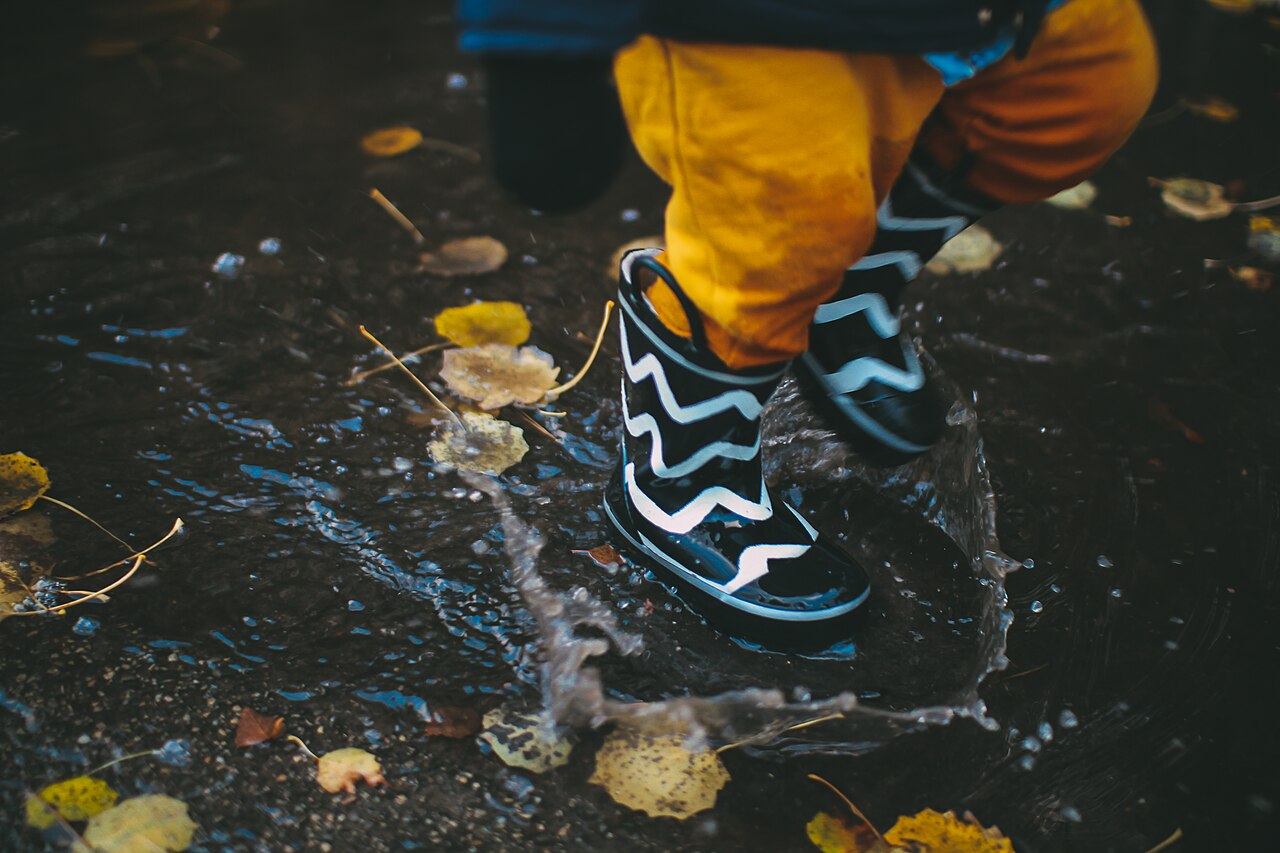
A soaked pair can survive a downpour just fine if you dry it the right way. Here is what to do in the first hour, and how to handle leather, suede and canvas differently.
A soaked pair of shoes feels like an emergency, and the temptation is to fix it fast: crank the dryer, park them on the radiator, blast them with a hair dryer. That instinct is exactly what ruins them. Drying wet shoes is slow work, and the method changes depending on what the uppers are made of. Here is what to do in the first hour and how to get leather, suede and canvas back in shape.
Why Rushing the Dry Ruins Shoes
Heat is the enemy. A clothes dryer can beat up shoes as they tumble, and the heat can shrink them enough to change the fit. High heat also damages the glue used to build many shoes, which can deform them or make the sole come apart.
Leather takes the worst of it. Leather is a porous natural material that holds oils giving it flexibility, and when it gets saturated, water bonds with those oils. As the water evaporates, it pulls the oils out with it. Dry leather quickly with a radiator or hair dryer and the fibers can constrict and shrink by as much as 10 to 15 percent, leaving the leather stiff, tight and likely to crack at the flex points. Rapid drying also tends to leave tide marks behind, caused by salts and minerals the water dissolved on its way through.
There is a slower hazard too. Shoes left flat on a shelf or floor while still damp can trap moisture against the sole, and in damp conditions that can lead to mildew growing where you will not see it until the damage is done.
First Steps Right After You Get Home
Whatever the material, the first moves are the same:
- Blot, do not rub. Use a clean, soft cloth to lift water off the surface. Rubbing hard can push moisture deeper into the pores or scratch delicate finishes. If water has pooled inside, tip the shoes to let it drain out.
- Wipe off dirt and grit while everything is still wet. Mud is far easier to remove before it dries into the material.
- Pull the laces and remove the insoles. Laces trap moisture against the shoe, and wet insoles seal dampness inside. Dry both separately, ideally near a fan.
- Wipe the inside. A dry cloth inside the shoe picks up water you cannot see.
- Wrap the outsides in a towel. Pressing a towel around the shoe pulls out a surprising amount of surface water in a few minutes and gets the real drying started faster.
Skip the fabric softener mindset here: the goal is removal, not treatment. Conditioning and cleaning come after the shoes are dry.
How to Dry Leather Shoes Safely
Leather shoes and boots can get soaked without permanent damage if you handle the drying correctly. Once you have blotted them and removed the laces and insoles, stuff them loosely with crumpled newspaper, working it all the way into the toe. The paper acts like a sponge, pulling moisture out from the inside while holding the shape of the shoe.
The part most people miss: swap the paper. Once newspaper is saturated it stops working and traps dampness against the leather. On a truly soaked pair, the first batch may be wet within 20 minutes, so check often and replace it with dry paper until little moisture is coming out. If the insides are light colored, hide heavily inked pages or use plain paper instead, since newspaper ink can transfer.
Position matters. Set the shoes on their sides or prop them against a wall with a towel underneath rather than leaving them flat, so air reaches the soles too. A mesh rack works well. Keep them indoors, out of direct sunlight, which fades color, and far from any heat source. Give leather a full day to dry, sometimes longer for heavy boots. Cedar shoe trees are a good substitute for newspaper once the worst is out, because they absorb leftover dampness and keep the shape while the pair finishes drying.
Once the leather is completely dry, condition it. Soap and water strip oils, so follow up with a leather conditioner or protector cream to keep the uppers soft instead of stiff. The same gentle routine applies to other leather goods, and the advice in our guide to cleaning a leather bag translates well: clean softly, condition sparingly, never rush the drying.
How to Handle Suede and Canvas
Suede needs its own treatment, separate from smooth leather. Blot surface water gently, let the pair dry slowly at room temperature away from heat and sun, and brush the nap back up with a soft brush once it is dry. Avoid applying leather conditioner to suede, since it is a different finish entirely.
Canvas is more forgiving. Once excess water is out, wash off any remaining grime with a few drops of dish soap mixed into a cup of warm water, working over the shoes with a cloth or soft brush, then wipe them with a clean damp cloth to rinse. For white canvas that has gone dingy, a paste of baking soda, hydrogen peroxide and warm water, scrubbed on with an old toothbrush, lifts scuffs and whitens the fabric. Set canvas shoes to air dry in a cool, well-ventilated spot away from the sun.
Styling tip
Before machine washing sneakers, check the care label, usually under the tongue, and follow any instructions it gives. With no label guidance, general rules apply: running shoes, leather finishes and embellished pairs stay out of the machine, use a sealed mesh bag and wash the laces separately, and hand washing is generally gentler.
Removing Water Stains and Salt Lines
Even with careful drying, uppers can dry with rings or tide marks where salts and minerals were left behind. The fix is a gentle, even cleaning rather than spot scrubbing, which can make the ring worse. Wipe the whole upper with a cloth dipped in a mild soap solution, working top to bottom, then buff dry with a clean cloth. For canvas, a damp wipe across the entire shoe evens out the finish. Clean the rubber soles and trim separately, since bleach solutions meant for white canvas can turn rubber yellow. On leather, finish with conditioner once the area dries so the cleaned patch does not end up lighter than the rest.
Preventing Soaked Shoes Next Time
A little preparation beats an evening of newspaper stuffing. Before the wet season, apply a protection cream or spray designed for the material; conditioning and protecting uppers ahead of time prevents stains, cuts cleaning time and helps shoes last longer. If downpours are a regular part of your life, water-repellent materials or a dedicated waterproof pair take the stress out of bad forecasts, and an electric shoe dryer is worth considering if shoes seem to be wet every week. Choosing well-built, repairable pairs in the first place helps too, which is exactly the logic in our guide to buying boots that last.
Keep a stash of plain paper and a couple of old towels by the door during rainy months. The fastest safe drying setup is the one you can start in the first ten minutes, before stains set and before anyone reaches for the radiator.
Style notes
- Skip the dryer, radiator and hair dryer: high heat can shrink leather, warp its shape and damage the glue holding soles together.
- Start by blotting off water, pulling the laces and insoles, and stuffing the shoes with newspaper you swap out as it gets damp.
- Air dry shoes away from direct sunlight, propped on their sides or raised off the floor so air reaches every surface, including the soles.
- Leather needs slow drying and conditioning afterward; canvas can handle a gentle wash and will dry in a well-ventilated spot.
- Water-repellent treatments and protective creams applied before bad weather cut down on cleaning and help shoes last longer.
Style Q&A
How long does it take soaked shoes to dry?
Canvas and athletic shoes can air dry in as little as two hours to overnight in a well-ventilated spot. Leather needs more time, often a full day or longer, and should never be rushed with heat.
Can I put wet shoes in the clothes dryer?
The tumbling and heat can damage construction, shrink the fit and weaken the glue in the soles. If you must try it with washable sneakers, use low heat and secure the shoes in a mesh bag, but air drying is safer.
Why did my shoes get water stains after drying?
As water evaporates, it can leave behind tide marks from dissolved salts and minerals. Cleaning the uppers gently before they dry fully, then conditioning leather, helps prevent those rings.
Should I remove the insoles from wet shoes?
Yes. Moisture gets trapped between the insole and the bottom of the shoe, and leaving it there invites odor and warping. Pull the insoles out and let everything dry separately.