
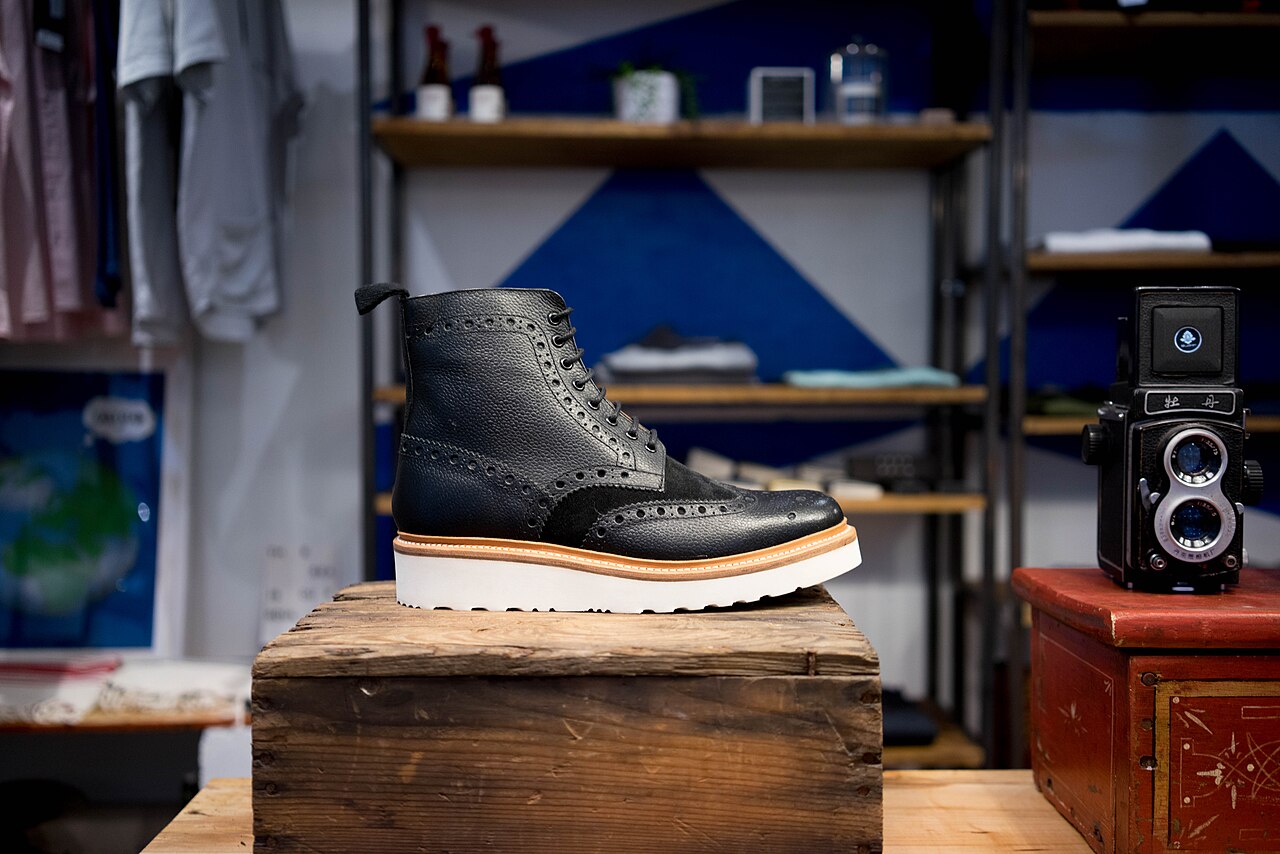
Sole material shapes comfort, grip and how formal a shoe looks. Here is an honest side-by-side to help you decide before you spend.
The sole does more work than any other part of a dress shoe. It carries your weight, sets how formal the pair looks, decides how confidently you cross a wet parking lot, and determines whether a cobbler can rebuild the shoe later. Leather and rubber each do some of those jobs well, and the right pick depends more on your commute, climate and dress code than on any rule from menswear tradition.
The Short Answer for Different Wearers
Neither sole wins across the board, so start with how you actually live.
- Leather suits you if you mostly wear dress shoes indoors or in dry weather, you care about a slim, traditional profile under suits, and you don’t mind a break-in period and rotating between pairs.
- Rubber suits you if you walk to work, deal with rain or snow, put serious miles on pavement, or want a shoe that grips from the first wear with no fuss.
- The middle path is a combined or half-rubber sole, which keeps the leather look through the waist of the shoe while putting rubber under the heel and forefoot, where wear and traction matter most.
One less obvious point: people with a rubber sensitivity are often advised to choose soles that are clearly not rubber-based, such as leather, polyurethane or PVC. If that describes you, leather has a practical advantage beyond looks.
Leather vs. Rubber at a Glance
| Factor | Leather sole | Rubber sole |
|---|---|---|
| Formality | Slim, traditional, the expected choice with suits and formalwear | Reads casual as thickness and tread increase; slim versions can pass as dress shoes |
| Grip when wet | Slippery on rain, ice and smooth surfaces | Tread channels water away; far more secure in bad weather |
| Water handling | Porous and not waterproof; absorbs moisture | Shrugs off rain and puddles |
| Break-in | Stiff at first, molds to your foot with wear | Flexible and comfortable out of the box |
| Breathability | Porous, lets air circulate, keeps feet cooler | Less airflow than leather |
| Wear rate | Wears faster, especially on concrete | Resists abrasion; lasts longer between repairs |
Comfort, Weight and Break-In Compared
Leather soles start firm and gradually mold to the shape and movement of your foot, which many wearers find gives a custom, supportive fit over time. Because leather is a natural, porous material, it also lets air circulate, keeping feet cooler and cutting down on odor in warm months. The trade-off is patience: the first weeks can feel stiff, and a forepart that is genuinely too close will not fix itself. If a new pair pinches, our guide to fixing shoes that feel too tight walks through what can and cannot be stretched.
Rubber is ready on day one. It flexes immediately and has a springier feel underfoot, and thicker rubber compounds add cushioning that thin leather soles lack. The cost is breathability, since rubber blocks the airflow that leather provides. On hot days or during long indoor wear, that difference shows up as warm, damp feet.
Traction in Rain, Ice and on Tile Floors
This is where the gap is widest. Rubber soles use grooves and tread patterns that push water away from the contact patch, working like small tire treads. Leather, with its smooth surface, can be genuinely slippery on wet pavement, ice or polished floors. The one place leather feels at home is dry, smooth indoor flooring, where it glides cleanly.
Wet weather also attacks leather soles directly. The material soaks up water, which wears the sole down faster and can leach into the welt and the upper of the shoe. Slip resistance itself is a measurable property: safety footwear standards such as SATRA TM144 and ISO 13287 test the coefficient of friction between an outsole and a wet, contaminated floor, which is a reminder that grip depends on the sole compound and tread, not on price. If you do get caught out and your shoes end up drenched, our guide on what to do when shoes get soaked in the rain covers the drying steps that protect the leather.
For leather-soled shoes you plan to wear in damp conditions, regular polishing helps. Wax fills the pores of the leather and adds a measure of water resistance, and working a little polish along the welt, where the stitching runs, protects the seam that water most often finds. Waterproofing sprays exist too, though their effect fades as the surface is scuffed or brushed, so they need reapplying.
Durability, Resoling and Lifetime Cost
Rubber resists abrasion better than leather, and hard surfaces such as concrete wear leather soles down quickly. A heavy walker on city pavement may replace a leather sole far sooner than a rubber one on the same shoe. Rotation matters for leather: wearing the same pair every day never gives the sole time to dry out and rest, which shortens its life considerably.
Resoling is where the real economics live. If the shoe is welted, a cobbler can stitch on a new outsole, leather or rubber, while the rest of the shoe continues on, usually for less than the cost of a new pair. That makes the sole choice less permanent than it looks at purchase. If you are weighing your first serious pair, our beginner’s guide to buying boots that last explains why welted construction is the feature to prioritize. Cemented shoes, where the sole is glued on, rarely justify repair; when the bond fails or the sole wears through, replacement is usually the sensible call.
How Each Sole Changes the Look of a Shoe
Leather keeps the shoe’s profile slim and lets it sit close to the ground, with a clean waist that reads as refined under tailored trousers. For business suits, formal events and interviews, leather remains the conventional choice under the most formal dress codes.
Rubber’s formality depends entirely on its thickness and tread. A slim rubber sole can be nearly indistinguishable from leather from a short distance, which is why it works on dressier shoes. The thicker the slab and the deeper the tread, the more casual the shoe looks, and a chunky studded sole will fight a suit every time. If your week mixes suits with weekends, a rubber-soled pair in a classic style often earns more total wear than a second leather-soled dress shoe.
Care Habits That Extend Either Sole
Both sole types live longer with small habits.
- For leather: polish regularly to keep water resistance up, use shoe trees, rotate pairs so each one dries fully between wears, and let wet shoes air-dry slowly away from radiators and direct heat.
- For rubber: rinse off grit and wipe with mild soap and a soft brush when the tread collects muck, and check the heel and forefoot for uneven wear from your stride.
- For both: replace heels or resole before the sole wears through to the midsole. Waiting turns a routine repair into a much bigger one.
Styling tip
If you want the leather look but walk through rain most days, ask a cobbler about a slim rubber sole or a half-rubber addition under the heel and forefoot. It is often the most practical compromise available.
Whatever you choose, fit decides whether the shoe gets worn at all. Construction, sole material and care habits then decide how many years it stays in rotation, so weigh all three before you spend.
Style notes
- Leather soles look slimmer and more formal, breathe well, and mold to your foot, but they wear faster and get slippery when wet.
- Rubber soles grip in rain, need no break-in, and last longer between repairs, but they read more casual as thickness and tread increase.
- Leather soles are not waterproof; they absorb water that can seep into the welt, so let them dry fully before wearing them again.
- A slim rubber sole can look nearly identical to leather, while thick, heavily treaded rubber makes any shoe look casual.
- Welted construction matters more than sole material if you want a cobbler to resole the shoe instead of replacing it.
Style Q&A
Can leather-soled shoes get wet at all?
A brief splash is fine, but leather soles are porous and absorb water, which wears the sole down and can seep into the welt and upper. If they get soaked, let them dry slowly away from direct heat before wearing them again.
Can a rubber sole be replaced?
Yes. On welted shoes, a cobbler can stitch on a new rubber sole just as with leather. Rubber generally needs replacing less often because it resists abrasion better than leather.
Is there a middle option between all-leather and all-rubber?
Many shoemakers offer a combined or half-rubber sole, which keeps the leather look through the waist of the shoe while adding rubber under the heel and forefoot, where wear and traction matter most.
Which sole is better for someone with a rubber allergy?
People sensitive to rubber are often advised to pick soles that are clearly not rubber-based, such as leather, polyurethane or PVC, and to check with a qualified professional about their own sensitivity.