
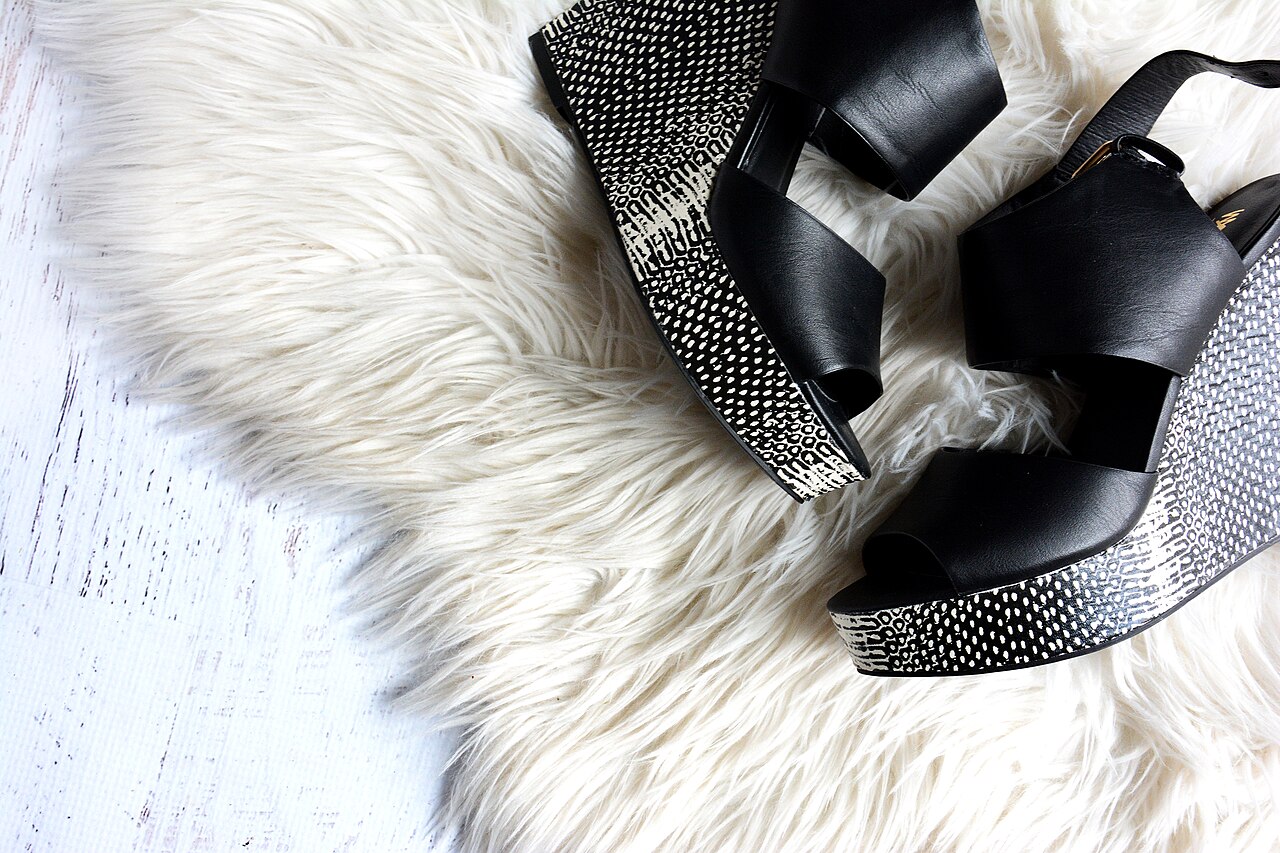
Some new shoes soften with wear, and some never will. Here’s how to tell the difference, stretch the right pairs safely, and return the ones that simply don’t fit.
New shoes are supposed to feel a little firm, and plenty of pairs soften into comfort within a week. Others are simply the wrong size, and no amount of hopeful wearing will fix them; the trick is knowing which situation you are in before you waste a month on shoes that will never fit. This guide walks through the decision in order: judge the fit, check the material, try safe stretching, and know when a cobbler can help. If you are still shopping, our guide to buying boots that last covers the fit checks worth doing before you pay.
First, Tell Normal Stiffness From a Bad Fit
A healthy fit has a specific shape: the heel stays put without slipping, the middle of your foot is held without pressure, and there is roughly half an inch of clear space past your longest toe. A shoe that is firm and even is snug. One that is sharp, hot, throbbing or numb is tight.
Snugness settles. Feet have 33 joints that need room to flex, and they can swell during the day depending on your activity and the weather, which is why a shoe that felt fine at breakfast can pinch by dinner. Trying new shoes in the evening gives the most honest read.
One rule is worth repeating: width softens, length does not. If your longest toe sits flush against the front, no stretching trick will add length. Stiffness across the ball of the foot or a firm heel counter, though, often gives way with wear.
Which Materials Stretch and Which Don’t
Match your patience to your material; each has a different ceiling.
| Material | What to expect |
|---|---|
| Leather | Stretches under pressure and molds to your foot, though less where there are many seams |
| Suede | Behaves like leather and gives with wear |
| Canvas | Softens and relaxes but does not truly expand |
| Knit | Already flexible on day one; snug knit usually needs no stretching |
| Synthetic | Barely moves, no matter how long you wear it |
Seams are the detail most people miss: leather stretches, seams do not, so a plain upper gives more than one stitched into panels across the widest part of your foot.
Safe Ways to Stretch Leather at Home
Start with the gentlest method: wear the shoes around the house in the evening with thick socks, sticking to rugs and carpet so the soles stay clean enough to return the pair if needed. A few nights of this softens many leather shoes on its own.
If that is not enough, try heat. Put on a thick sock, fold it down at the heel so the extra thickness sits across the toes rather than the back of the shoe, and put the shoes on. Hold a hair dryer on medium heat about 1 to 3 inches from the inside of the shoe, keeping it moving, for 20 to 30 seconds at a time. Warmth softens leather so it molds to your foot, the same thing break-in does, just faster. Let the shoes cool slightly, then apply a leather conditioner, since heat can dry the material out. The same advice in our leather bag care guide applies here: condition sparingly, not generously.
Styling tip
The heel is the one area you do not want to stretch. A well-made shoe holds your foot at the back while the front accommodates your toes, so protect the heel fit while you open up the toe box.
For stubborn spots, a four-way adjustable shoe tree can expand both length and width, and versions with bunion plugs target a single pressure point in the toe box. Turn the adjustment handle every 8 to 12 hours until the fit improves. Basic models cost under $25.
A frozen zip-close bag works best on nonleather shoes: place a partially filled bag inside the shoe near the tight spot and leave the shoe in the freezer overnight. The expanding ice stretches the shoe to a custom shape.
These methods gain about half a size, mostly in width. They turn a nearly right shoe into a right one; they do not rescue a badly wrong one.
Methods to Avoid So You Don’t Ruin the Shoe
A few mistakes come up often. High heat is the first: scorching leather dries it out and can burn or crack the surface, which is why the dryer stays on medium, in motion, for short bursts. The freezer bag trick works best on nonleather shoes, since moisture and repeated freezing do leather no favors.
Do not stretch the heel, even if that is where a shoe rubs. If your heel starts to slip, your foot slides forward and your toes cramp against the front, which causes blisters. For pain from a stiff heel counter, a heel pad inside the shoe relieves pressure better than loosening the back of the shoe.
When to Use a Cobbler Instead
A cobbler has professional equipment for nearly any part of a shoe and can expand width, length or a single spot with more control than home methods. That makes sense for expensive leather shoes, for a single precise spot, and for anyone whose at-home attempts fell short. Pricing varies by shop and by how much work the shoe needs, so ask for a quote; many cobblers confirm the cost before starting.
Compare that cost to what you paid for the shoes. Stretching makes sense for an expensive pair you love and plan to keep for years; for a cheap pair you could easily replace, it rarely pays off.
Signs the Shoe Will Never Fit and It’s Time to Return
Some shoes should go back. Watch for these:
- Pain or squeezing from the very first step, which almost never improves with wear
- Toes pressed against the front or cramped at the sides, since length is fixed
- Numbness, hot spots or deep red marks after a short wear
- A rigid synthetic upper that pinches, because that material will not give
- Heel pain that flares every time you put the pair on
Shoes that don’t fit well do more than hurt your feet. Ill-fitting pairs are linked to blisters, hammer toes, bunions, neuromas and plantar fasciitis, and because your feet support your whole body, the effects can reach your knees, hips and back. If pain when you walk is the story from day one, believe it and start the return.
If your feet hurt after wearing a tight pair anyway, icing the sore area for 20 minutes at a time can ease discomfort. Persistent heel pain, especially sharp pain with the first steps in the morning, is worth mentioning to a podiatrist rather than stretching through.
Preventing Blisters While You Break Them In
Even a correct fit can rub while stiff leather softens, so protect your skin while the shoe settles. Build wear time gradually: an hour around the house before a full day out, and keep new shoes near home so a hot spot never turns into a long walk’s damage.
Watch the back of the heel. A firm, rigid heel counter can rub the area into blisters or, over long-term wear, contribute to a bony bump podiatrists call Haglund’s deformity. Heel pads inside the shoe redistribute that pressure, and an open-heeled style around the house gives the spot a rest, though open-backed shoes are not a good idea if you have bunions, tendinitis or existing foot pain.
If a blister forms anyway, clean it gently and let it heal before wearing the pair again. If they get drenched before they have broken in, the advice in what to do when your shoes get soaked in the rain applies: dry them slowly, away from direct heat, so the leather does not stiffen or crack. A pair that fights you from the first wear is one you will quietly stop wearing.
Style notes
- Snug is normal on day one; pain, numbness or squeezed toes is not, and pain when walking rarely improves with wear.
- Width can soften with wear but length is fixed: if your longest toe presses the end, no method will fix it.
- Leather gives, canvas softens and knit relaxes, while most synthetics and any seamed area barely move.
- At-home methods work within about half a size; a cobbler can stretch specific spots, but shoes that pinch hard from the first step should go back.
- A heel that slips after stretching means the fit is broken, because a loose heel lets your foot slide forward and cramp your toes.
Style Q&A
How much can I realistically stretch a shoe?
Most at-home methods and cobblers can gain about half a size, mostly in width. Length is fixed, so a short shoe will stay short.
Will tight shoes stretch just by wearing them?
Leather and canvas usually do, and knit uppers often feel snug rather than truly tight. Rigid synthetics rarely change much, so wear time alone won’t fix them.
When should I just return the shoes?
If they hurt from the first step, pinch your toes against the front, or leave deep marks on your skin, return them. Pain when you walk usually means the fit is wrong, not that they need breaking in.
Can tight shoes cause foot problems?
Shoes that don’t fit well are linked to blisters, hammer toes, bunions, plantar fasciitis and pain that travels to the knees, hips and back. Fit matters beyond comfort.