
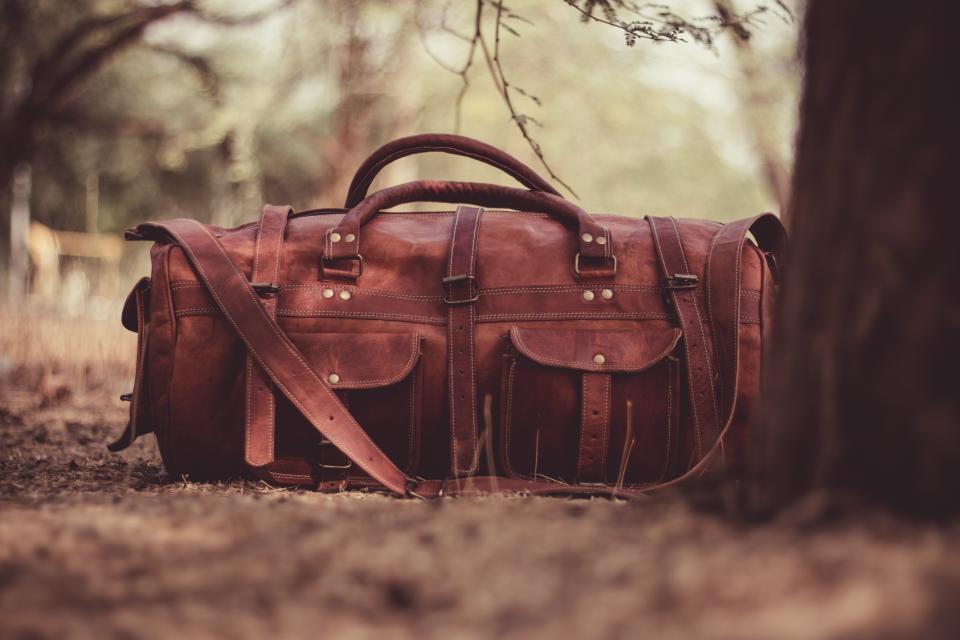
Everyday bags wear out on a fairly predictable schedule. Here is what to fix at each stage, what professional repairs typically cost, and how to know when replacement wins.
An everyday bag is usually the hardest-working piece in a bags and accessories rotation. It gets stuffed, dropped, rained on and overpacked, and it shows wear on a fairly predictable schedule. That predictability works in your favor. If you know what to look for at each stage, you can handle most problems while they are still cheap and spot the point where repairs stop making sense. This timeline follows a daily bag from its first month to retirement.
Month One: Set the Routine That Prevents Later Repairs
Most expensive bag repairs trace back to neglected basics. For leather, conditioning once a month keeps the material supple and prevents the drying that leads to cracking, which makes it the highest-value habit on this list. Wipe spills quickly: water-based stains like coffee usually respond to a damp cloth with mild soap, but go easy, because soaking leather does more harm than the stain. Our clothing care section covers the full cleaning and conditioning process for leather and other fabrics.
Material choice sets the clock. Faux and polyurethane leathers tend to crack and peel within 2 to 3 years of regular use, while full-grain leather can last 10 or more years and develops a patina along the way. That difference shapes every later entry on this timeline.
Year One: Surface Wear You Can Fix at Home
First scuffs and light scratches rarely need a professional. Buff light marks with colorless leather balm or conditioner, working in circular motions. Minor scratches often blend in with a little conditioner or even petroleum jelly, and mild fading responds to a color-matching dye or leather cream. Before hunting for a fix, check whether the damage is surface-level; many issues take about 10 minutes to address.
Dull hardware at this stage is a cleaning job, not a repair. Scratched clasps and tarnished buckles usually just need cleaning rather than replacement. Deeper scratches that catch a fingernail need more than balm: a leather repair kit with color-matched dyes and fillers can work, but follow the instructions closely so the finish stays even.
Year Two and Beyond: Repairs Worth Paying a Professional For
Structural wear shows up here, and with it, money decisions. Minor professional repairs such as restitching and hardware work typically run $20 to $60. A strap or handle replacement, one of the most common jobs, runs around $150. Full restorations with recoloring or deep reconditioning start at $100 and can reach $175 to $250.
A broken zipper is the classic repair that is bigger than it looks. Replacing one restores function at a fair price for a bag in otherwise good shape, but many zippers are sewn into the lining, which makes the job more involved than expected. A torn lining follows the same logic: DIY patching can hold small tears, while a full professional relining is the pricier route. Localized damage on a well-made bag is almost always fixable; widespread wear usually is not.
The Decision Point: When Repair Costs More Than the Bag Is Worth
The math is simple. Repair makes sense while the cost stays a small fraction of what a comparable new bag would cost. Once a quote approaches a meaningful share of that price, replacement wins, especially if the fix would only be temporary or the bag was made from lower-quality materials to begin with. A $150 handle replacement on a budget tote never pencils out; on a bag that cost $300 new, the same quote is easy to justify.
Styling tip
Get any repair quote in writing, then price a comparable replacement the same day. Real numbers on both sides beat guessing.
| Damage | Typical fix | Ballpark cost |
|---|---|---|
| Scuffs, loose stitching, hardware | Minor professional repair | $20 to $60 |
| Broken strap or handle | Professional replacement | Around $150 |
| Fading or heavy wear | Major restoration | $100 to $250 |
| Deep cracks, collapsed shape, peeling faux leather | Replace the bag | $200 to $300 for full-grain |
Some damage ends the discussion regardless of price. Once leather fibers break down into deep cracks and peeling, conditioners cannot reverse it. Once a bag loses its structure and slumps permanently, even professional restoration will not bring the shape back. Peeling faux leather is rarely worth repairing unless the bag was a significant investment piece.
When You Replace: Buying So the Next Bag Lasts Longer
A replacement resets the timeline. Full-grain leather lasts 10 or more years with care, which changes the repair math for the next decade, while faux leather fills a real niche at a lower price but comes with a 2 to 3 year service life. Think about repairability before you buy, because construction and materials determine what a craftsperson can fix later. It is the same long-term thinking we bring to shoes and boots.
Then restart the routine from day one: monthly conditioning, quick spill cleanup and storage that keeps the bag out of direct sun. If you are building a smaller wardrobe, one well-made bag in a neutral color earns its place more reliably than several cheap ones.
Retiring a Bag: Where It Goes Next
A retired bag does not have to hit the trash. Bags in decent shape can go to donation centers and thrift shops. Community repair cafés, where volunteers fix items free of charge, can stretch a weak bag a few more years. An Aviva poll in the UK found just over half of respondents repair items to save money, while almost a third do it to keep things out of landfill.
If the bag is truly finished, take a last look at why it failed. Peeling straps at year two or a collapsed base tell you what to check before the next purchase, and then this timeline starts over with better odds.
Related reading: How to Clean and Condition a Leather Bag and A First-Timer’s Guide to Buying Boots That Last.
Style notes
- Condition leather bags about once a month to prevent the drying that leads to cracking, and clean spills quickly with a damp cloth and mild soap.
- Early scuffs, light scratches and dull hardware are home fixes using leather balm, conditioner or color-matched dye, often done in about 10 minutes.
- Minor professional repairs typically run $20 to $60, strap or handle replacement around $150, and major restorations $100 to $250.
- Replace the bag when a repair quote approaches the cost of a comparable new one, or when the leather is deeply cracked, peeling or the bag has lost its shape.
- Faux leather bags tend to last 2 to 3 years, while full-grain leather can last 10 or more years with regular care.
Style Q&A
How often should I condition a leather bag?
About once a month. Regular conditioning keeps leather supple and prevents the drying that eventually causes cracking.
Is a broken zipper worth repairing?
Usually, if the bag is otherwise in good shape. Keep in mind that many zippers are sewn into the lining, so the job can be more involved and costly than it first appears.
What damage means a bag cannot be saved?
Deep cracks and peeling mean the leather fibers have broken down, and a bag that has permanently lost its shape cannot be brought back even by professional restoration.
How much does a strap or handle replacement cost?
Around $150 at a professional repair service, so it only makes sense on a bag that would cost meaningfully more to replace.